The Malaysian Bar has called for stronger adherence to Malaysia's animal welfare laws and more humane enforcement practices following the death of Rocky, a dog that died during a stray-dog enforcement operation in Klang on 29 July 2026.
In its latest press release, the Malaysian Bar stressed that cruelty towards animals should never be justified by an enforcement objective and called for a thorough, transparent and impartial investigation into Rocky's death.
The Animal Welfare Act 2015
The Malaysian Bar highlighted the importance of the Animal Welfare Act 2015 (AWA 2015), particularly its provisions concerning cruelty towards animals and the prohibition of killing animals except in limited circumstances.
It emphasised that the absence of a pet licence should not be treated as justification for cruelty or the killing of an animal.
Humane Enforcement Matters
The statement also calls for local authorities to strictly comply with existing standard operating procedures for the capture and disposal of stray dogs.
Approved methods under the relevant SOP include the use of a loop, trap, net or, with the required approvals, a tranquiliser gun.
The Malaysian Bar further called for existing legislation and SOPs to be reviewed and strengthened so that stray-animal management is humane, transparent and consistent with the Animal Welfare Act 2015.

A Call for Better Stray-Animal Management
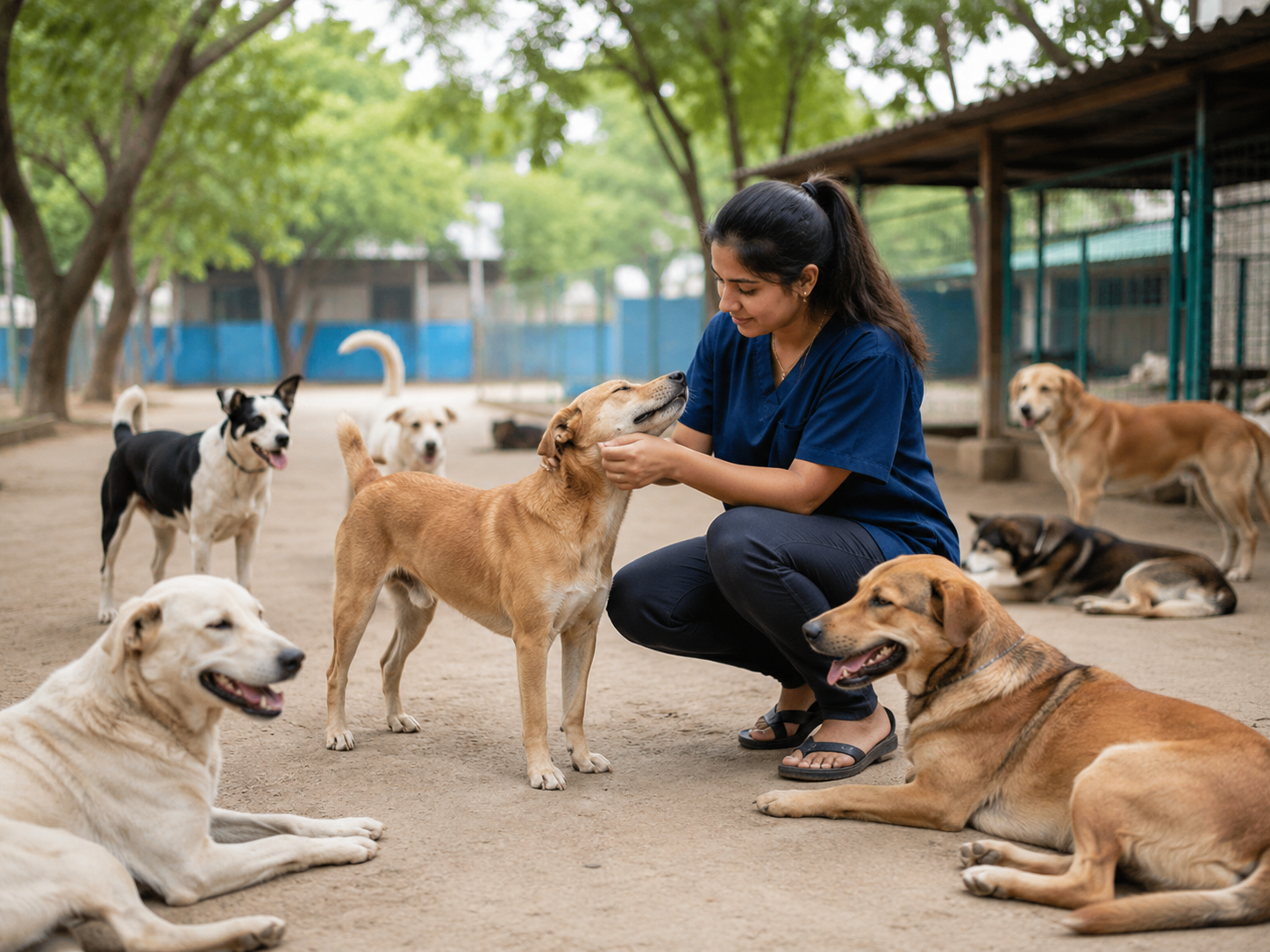
Beyond individual enforcement operations, the Malaysian Bar advocated for a broader, more coordinated and data-driven approach to stray-animal population management.
Where an animal has an identifiable owner, it also suggested that enforcement authorities consider proportionate alternatives, such as issuing a summons, rather than immediately resorting to capture, detention or killing.
Why This Matters
It raises important questions about how Malaysia manages stray animals, how enforcement agencies apply animal-welfare legislation, and how society balances public safety, regulatory requirements and the welfare of animals.
For MNAWF, this development reinforces the importance of continued dialogue between policymakers, enforcement authorities, animal-welfare organisations, veterinarians, legal professionals and the wider community.